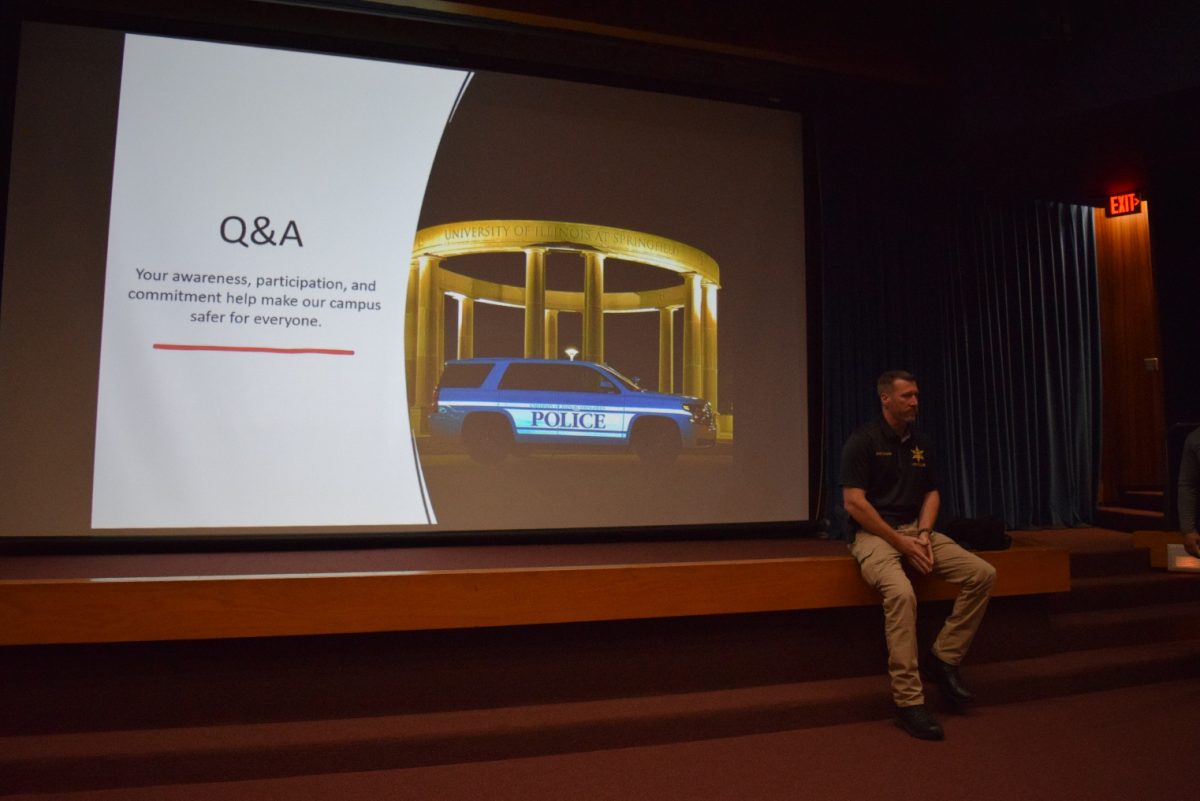
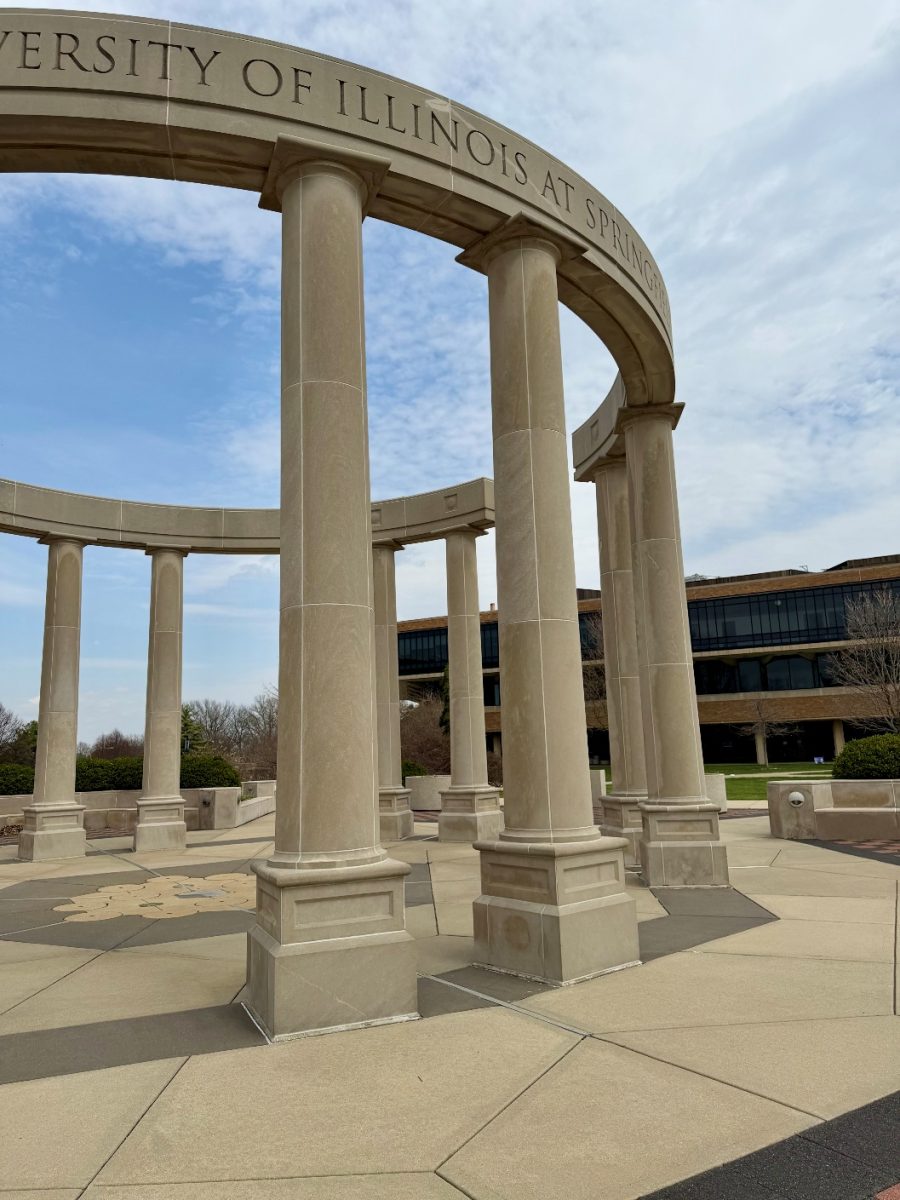
As finals week winds down and students prepare to head home for winter break, the University of Illinois Springfield (UIS) Police Department is urging the campus community to stay alert and winter-ready on the road. On Wednesday, Dec. 3, officers hosted an EmergencyPrep table event in the Student Union, offering guidance on cold-weather travel and the essentials of an emergency roadside kit.
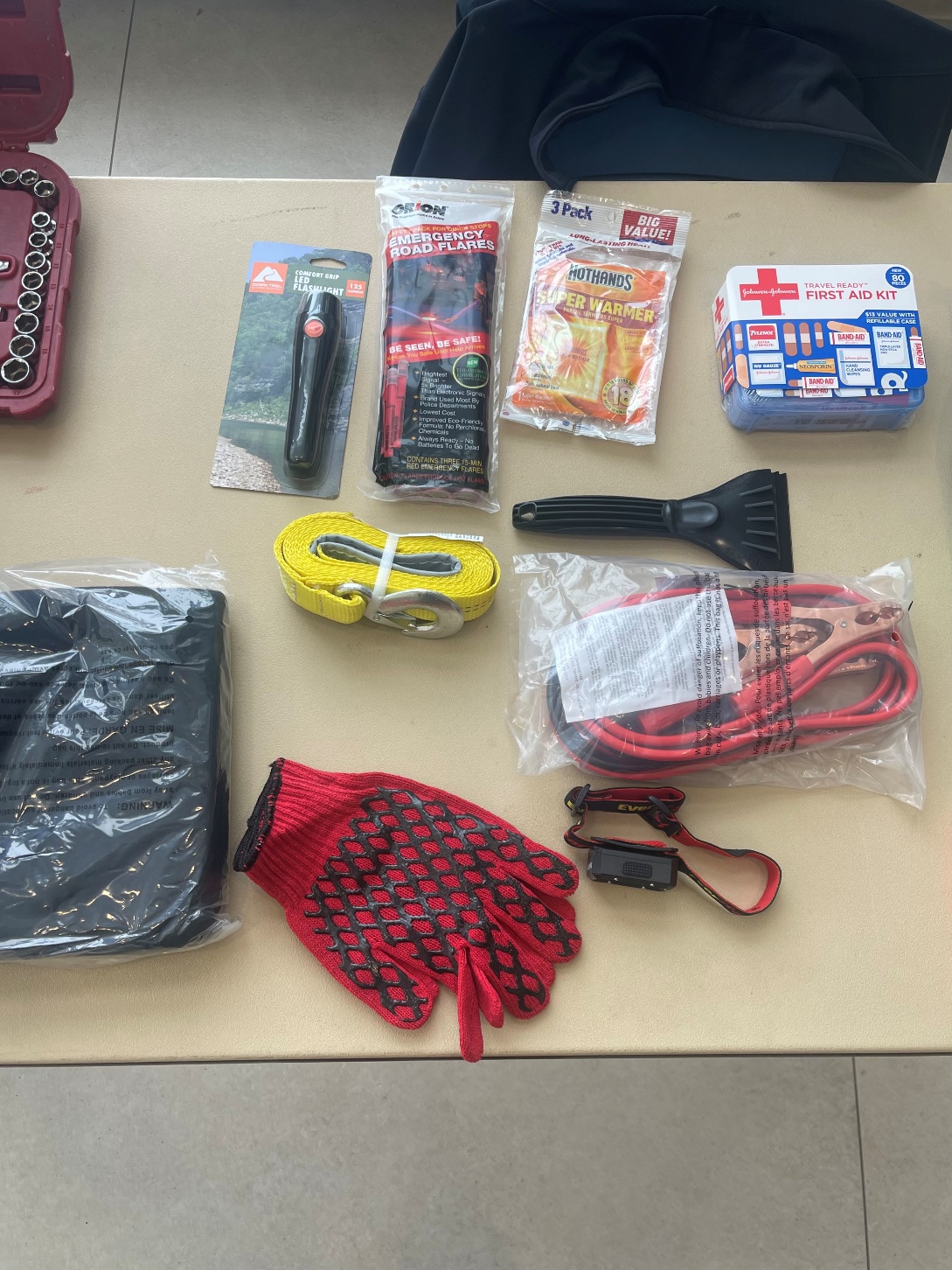
The timing was intentional. By setting up in a high-traffic area, officers hoped to engage students going about their daily routines and plant crucial safety reminders before the mass holiday exodus.
“With winter weather approaching, we will be focusing on harsh winter weather conditions during travel, what to have in your emergency travel kit, and what each item is for,” the department said of the outreach effort.
Short trips, big risks
Officer Alex Barnes, who staffed the event, emphasized that many students underestimate the risks of short-distance travel, especially those commuting just 45 minutes to an hour.

“Emergencies always happen unexpectedly,” Barnes said. He noted that students often leave without any kind of emergency kit, assuming the drive is too brief to require one. But freezing temperatures, black ice, and sudden whiteout conditions can make even a short trip hazardous.

Life-saving tools, including one that many forget
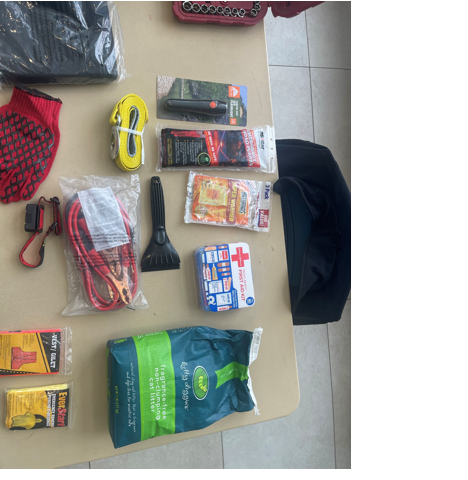
The event also featured a raffle for emergency supplies, giving students the chance to take home cold-weather essentials. Barnes showcased several items he believes every driver should keep in their car; from the obvious ice scraper to a less expected but highly practical tool: cat litter.
If a vehicle becomes stuck in a snowy ditch or struggles for traction on an icy patch, sprinkling cat litter beneath the tires can help drivers regain control and get moving again, he explained.
The most common and dangerous mistake
From years of responding to winter incidents, Barnes said the biggest error police see is drivers failing to reduce their speed.
“Snow prevents effective braking at regular speeds,” he said. “Drivers need to slow down significantly and anticipate stops much earlier.”
Plan smart, stay safe
Barnes encouraged students to map out their routes before hitting the road, steering clear of hills or steep inclines that increase the risk of sliding. When possible, he advised choosing flatter, more predictable terrain.
And if visibility drops during a snowstorm?
“Call 911 immediately and stay inside your vehicle,” Barnes said. Remaining sheltered offers the best protection while waiting for help to arrive.
With winter break just days away, UIS police hope their message resonates: preparation is not optional. A simple kit and a few precautions could make the difference between a safe trip home and a dangerous roadside emergency.