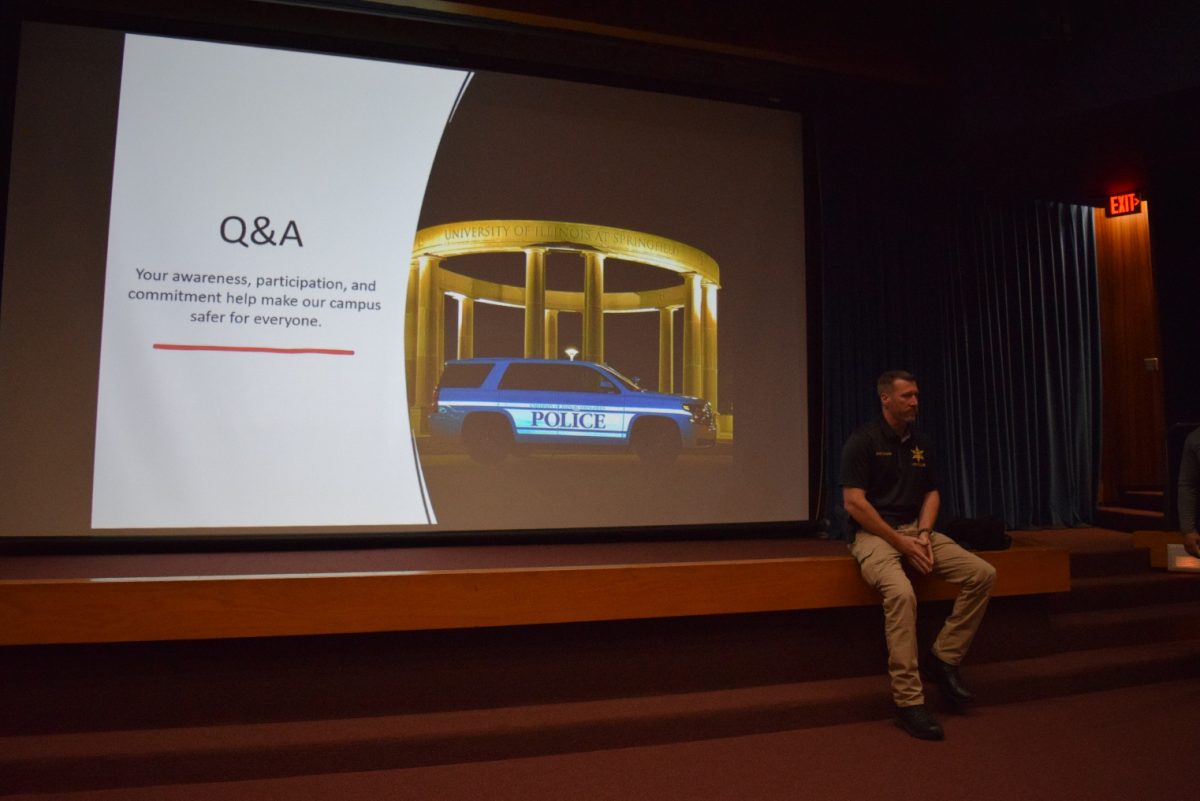
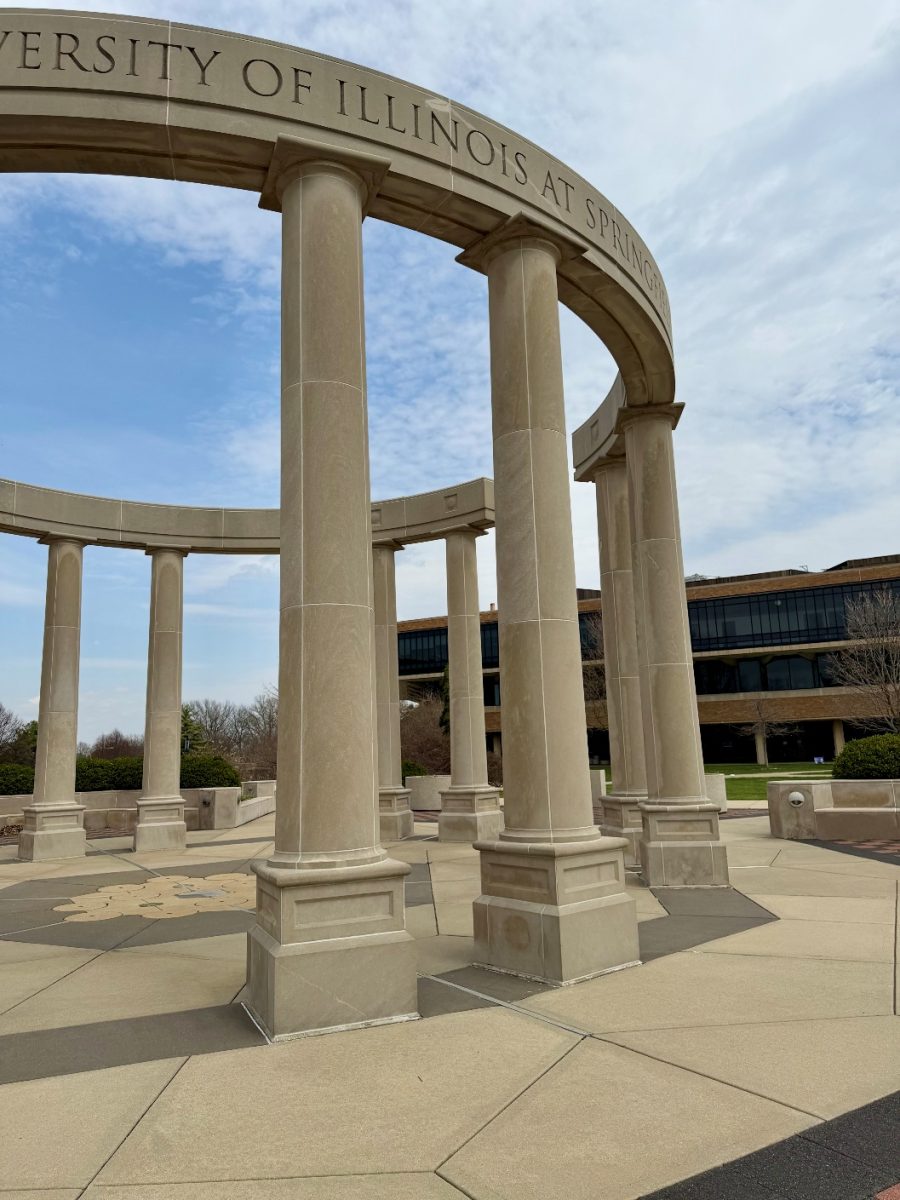
Educators, genealogists, students, and local history enthusiasts gathered at the University of Illinois Springfield on Friday, Oct. 24, for a hands-on look at Central Illinois’ archival treasures. Hosted by the Sangamon Experience in the UIS Student Union, the workshop, Digging Deeper: Researching Central Illinois with Local Archives, featured four experts who demonstrated how to access and navigate the region’s most valuable historical collections.
The presenters represented a cross-section of archival institutions, from statewide repositories to community-based collections. Together, they offered guidance on uncovering historical documents ranging from state government files to family genealogies and local records.
Inside Illinois’ archive network
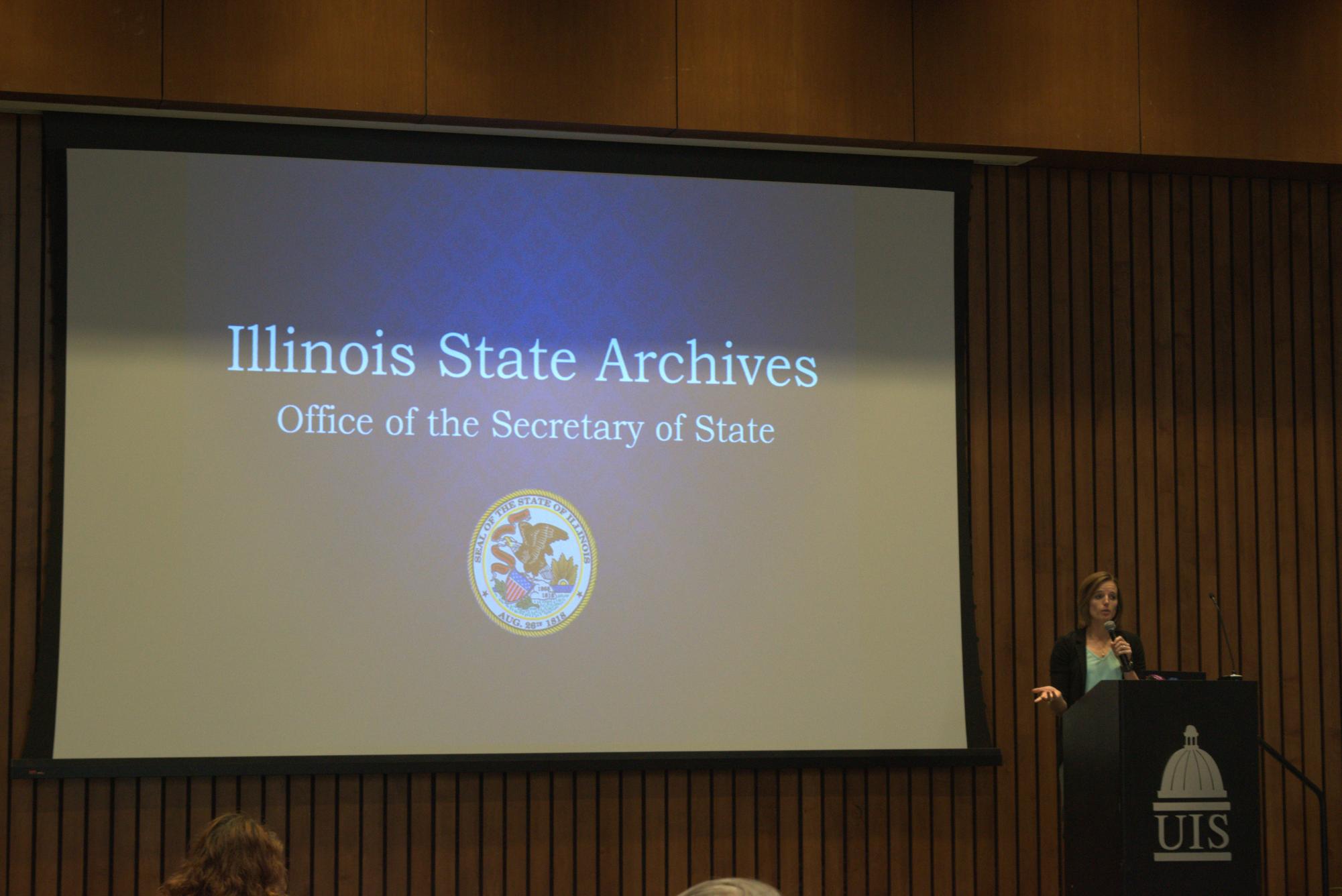
Catheryne Popovitch, director of the Illinois State Archives, opened the program. She outlined the vast scope of the state’s permanent records, more than 75,000 cubic feet of materials, including court filings, legislative documents, and administrative records. The Archives fields over 30,000 information requests each year.
While much of the collection remains paper-based, Popovitch emphasized ongoing efforts to increase digital access. Fully digitizing the state’s archives, she said, would require at least $175 million, though incremental progress continues through web-based index databases and selective digitization.

Michael Hall, supervisor of the Illinois Regional Archives Depository (IRAD) system, followed with an overview of the state’s network of seven regional depositories housed at public universities, including UIS. Staffed by student interns, IRAD provides public access to local government records; an important resource for genealogists and researchers tracing county-level history.
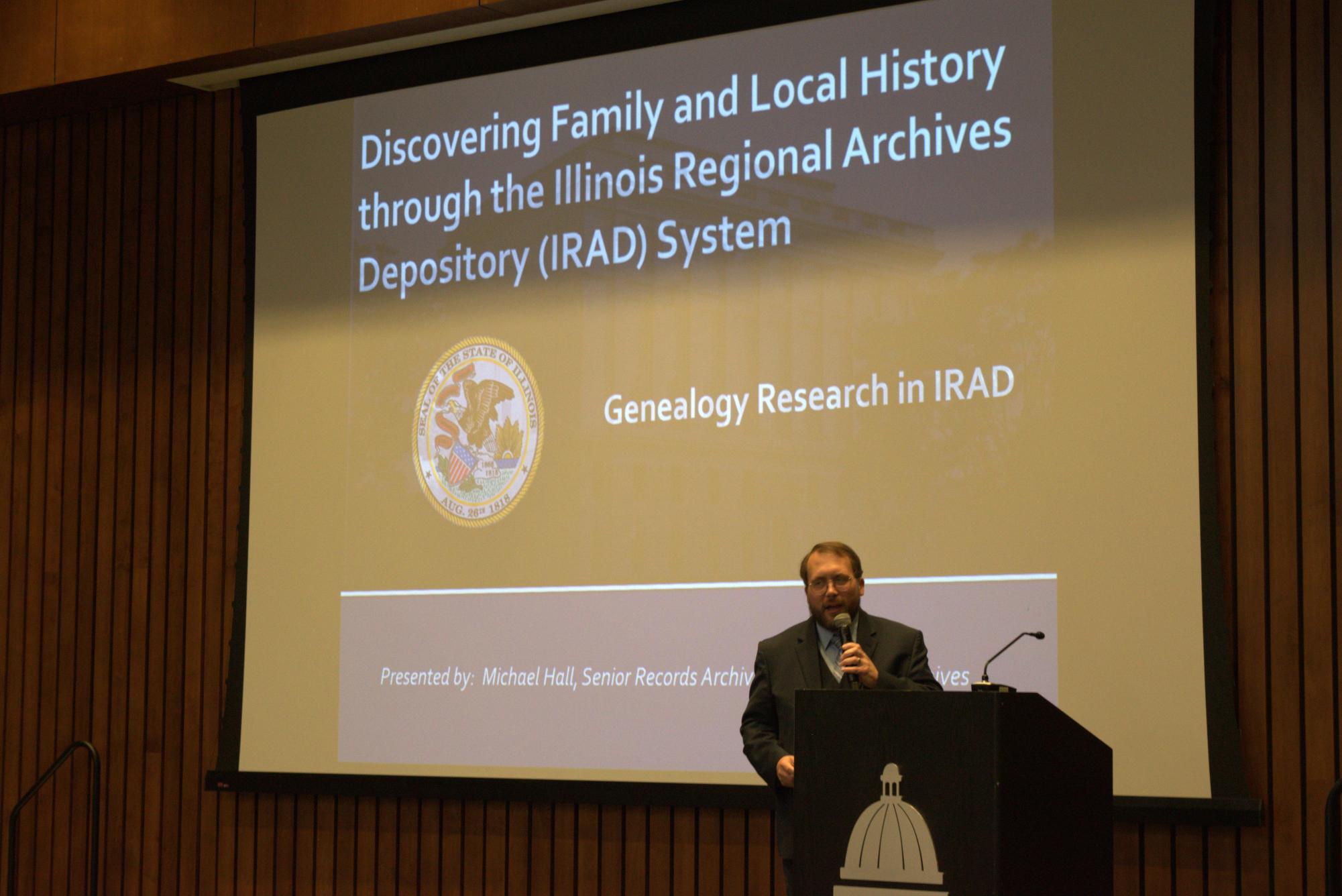
Hall encouraged attendees to begin their research by identifying core questions. “Once a researcher has a clear idea of the types of records that are going to be a benefit to their work, they will be able to have a fruitful research experience,” he said, noting that IRAD personnel assist in locating and retrieving relevant materials.
UIS collections and oral histories
UIS archivist Katrina Burch spoke about the dual role of the university archives: preserving campus history and documenting the broader Central Illinois community. The archives include records from the former Sangamon State University and house the region’s IRAD repository.
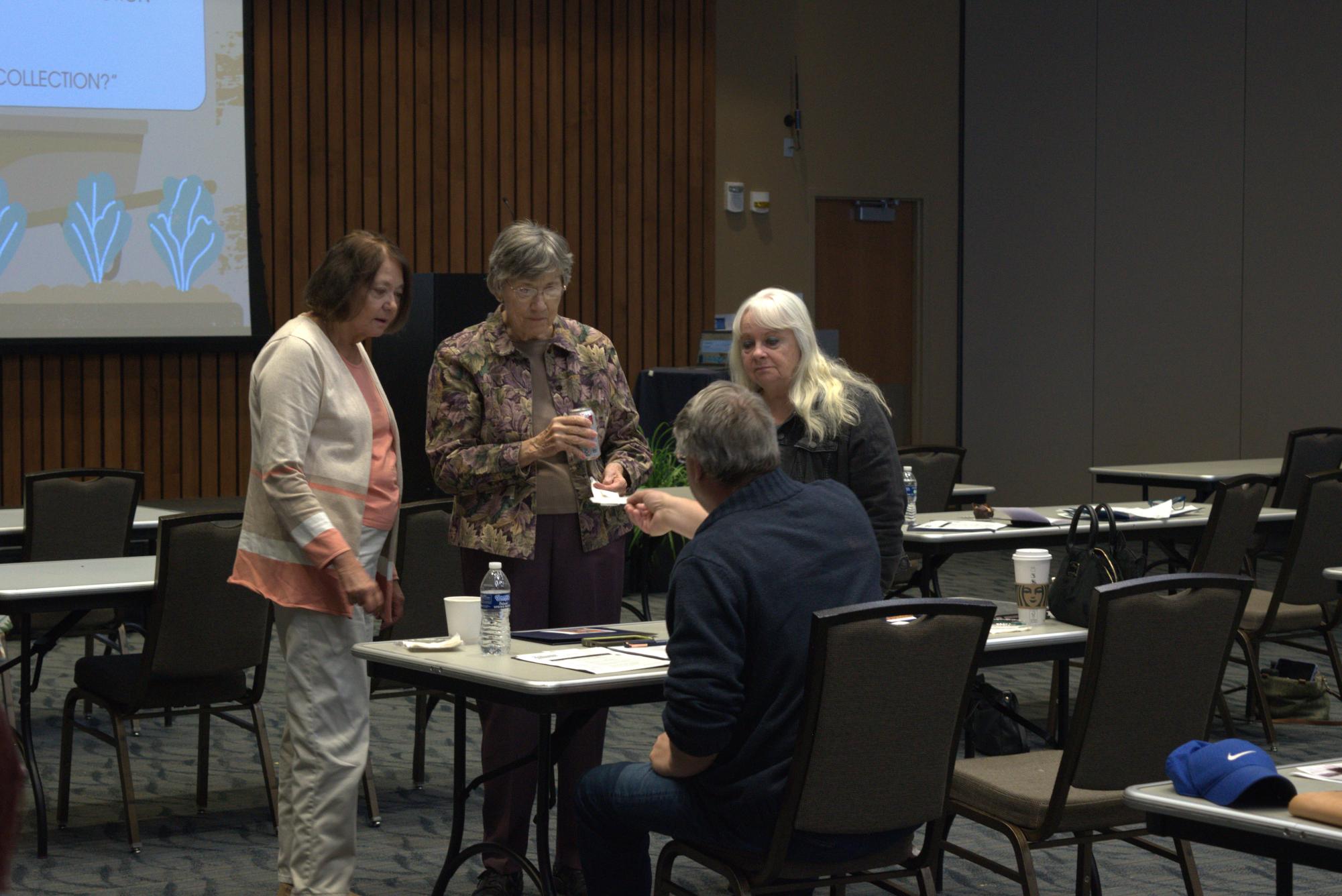
Burch highlighted the UIS Oral History Collection; a growing repository of interviews dating back to the 1950s and capturing voices from across Illinois. Balancing university and regional collections is a key part of her work, she noted.
“It definitely is a balance,” Burch said. “I try to make a point to go to events on campus … but I also try to go to community events to connect with people for the central Illinois area.”
Springfield’s local history hub
Rounding out the program, Stephanie Martin, manager of the Sangamon Valley Collection at Springfield’s Lincoln Library, discussed resources available to the public for free with a library card, including genealogy databases, historical newspapers, and military records. She emphasized the value of collaboration among institutions.
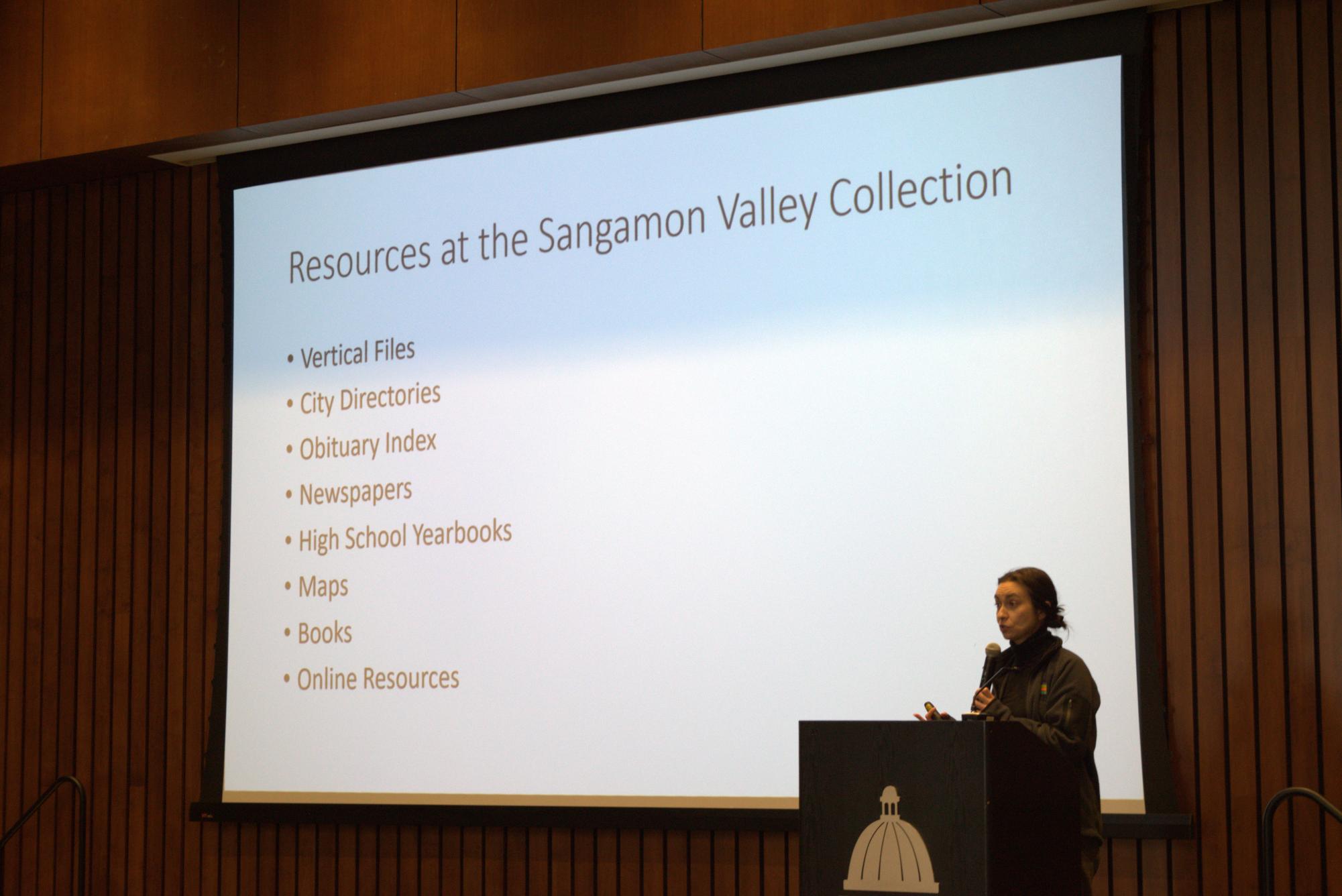
“Being in the same room creates opportunities for networking,” Martin said. “Through knowing what resources other organizations have … we can make more impactful referrals.”
Building connections through history
Attendees left the workshop with new tools, and new partnerships, to support research into the people, places, and institutions that shaped Central Illinois.
As Martin noted, events like these strengthen the region’s archival ecosystem: “I’m thankful this event brought us together.”