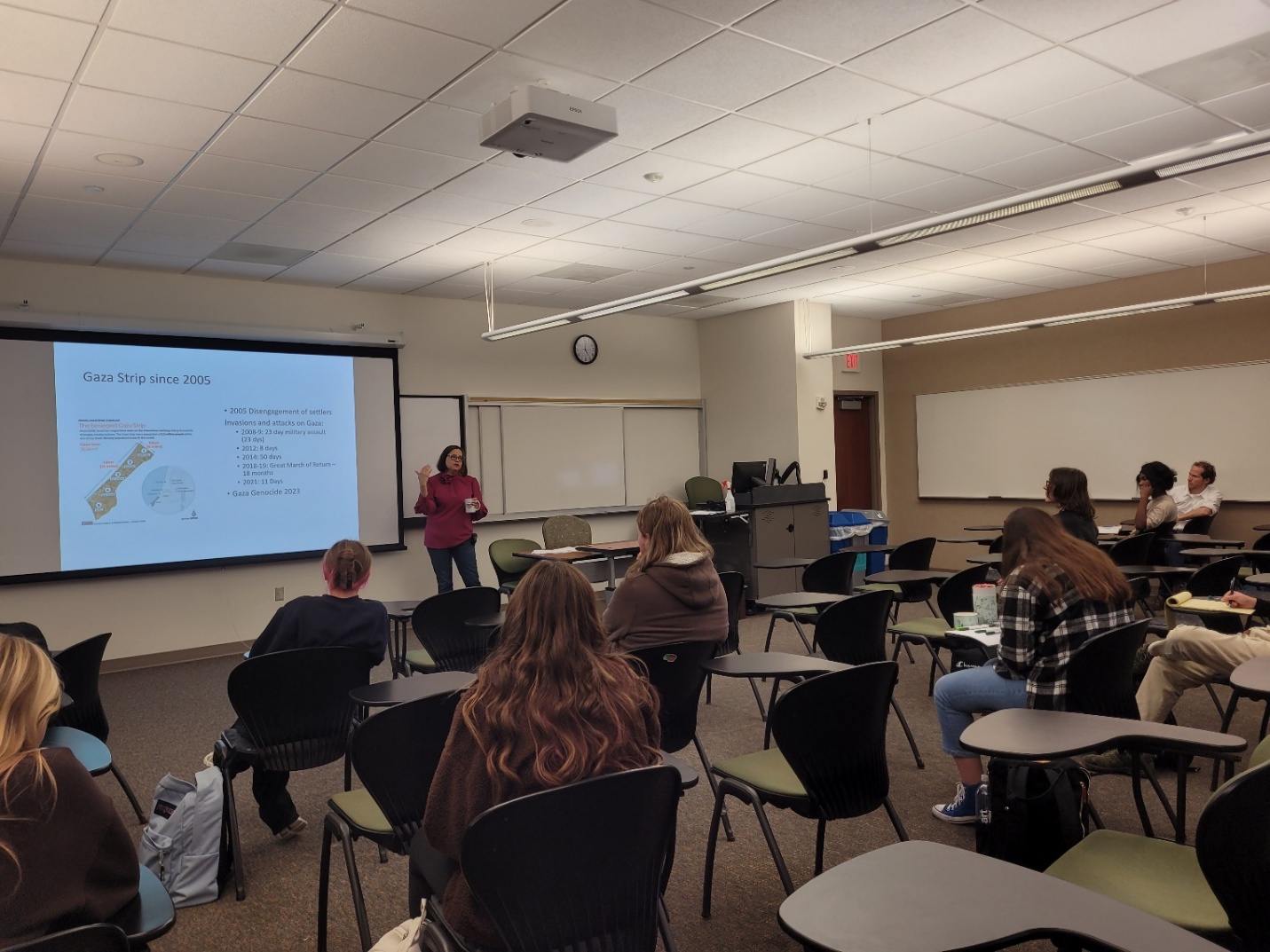
On October 20, 2025, University of Illinois Springfield history professor Dr. Kristi Barnwell delivered a two-hour presentation examining the Palestine-Israel conflict through a Palestinian-centered lens.
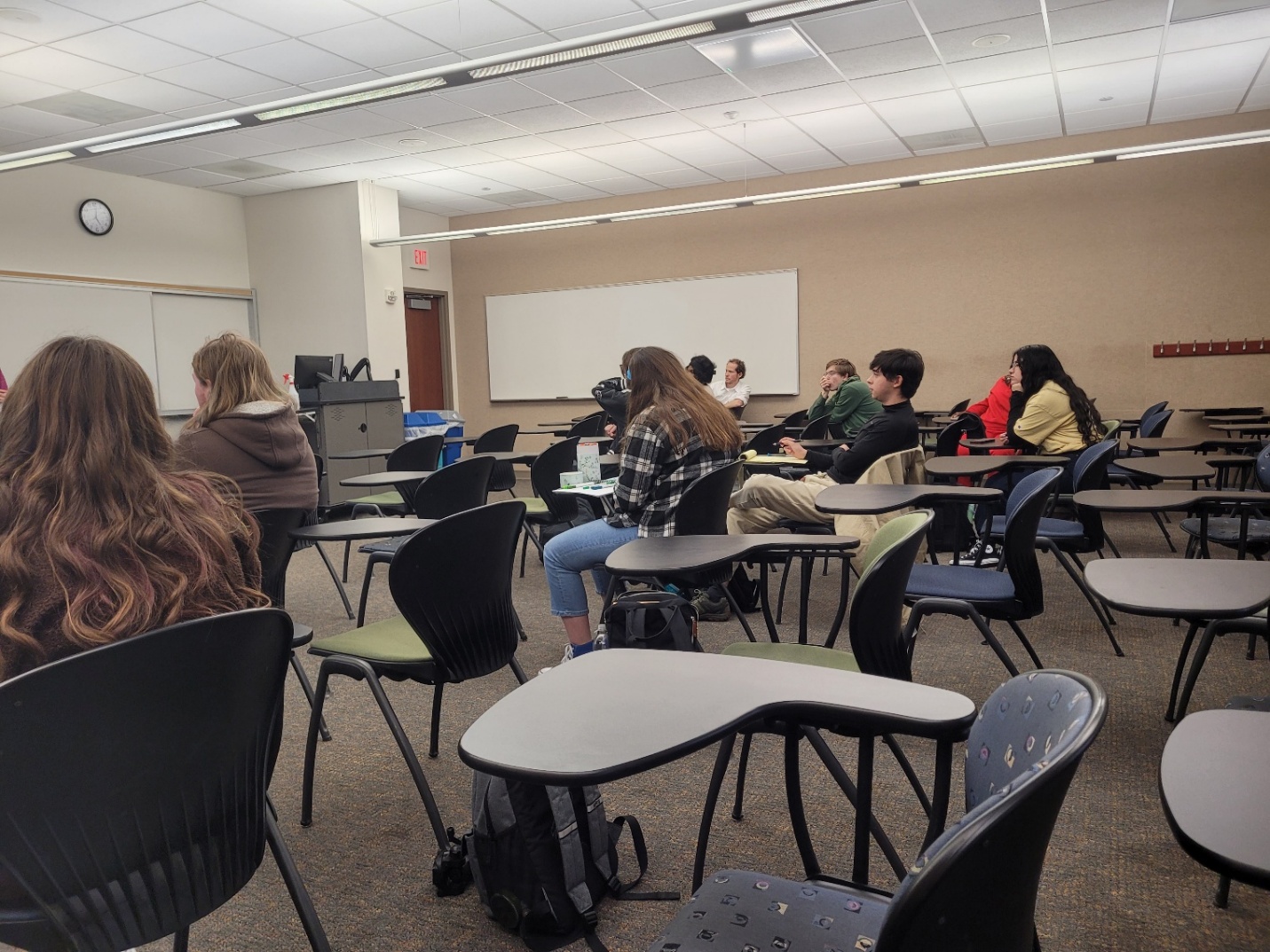
The event, held in a UIS classroom and attended by students from various disciplines, focused on historic context that Dr. Barnwell stated, “looks at the war on Gaza from a framework focused on Palestine rather than a framework focused on Israel and the United States.”
“I wanted people to take away some basic information so that they could place what they’re seeing in the news in a broader context.” Dr. Barnwell said.
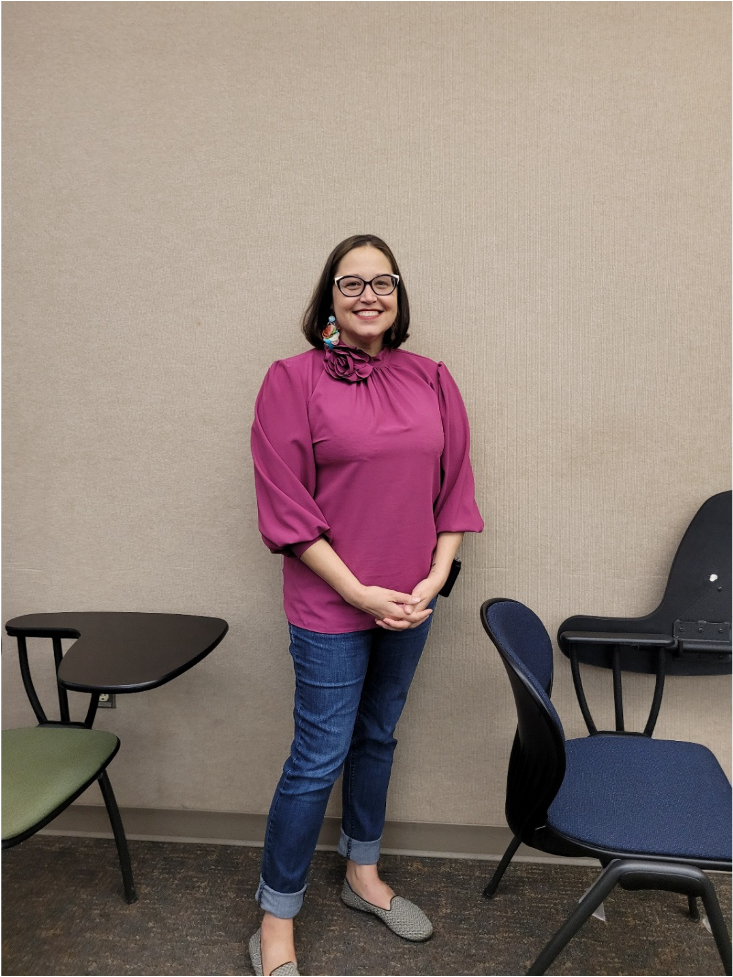
According to Barnwell, major U.S. media outlets tend to amplify Israeli government and U.S. policy perspectives, while Palestinian experiences and historical grievances receive less sustained attention. “The media generally covers those perspectives very thoroughly,” she noted. “I wanted to balance some of that out with a greater representation of what is happening to Palestinian populations as part of this conflict and this ongoing war.”
Student Reflections

Joy Brown, President of the UIS History Club and co-host of the event, said the lecture helped clarify terms often used in coverage of the conflict.
“I’d heard buzzwords like ‘settler colonialism’ in the news, but I hadn’t quite grasped what that meant in a historic context,” Brown said.
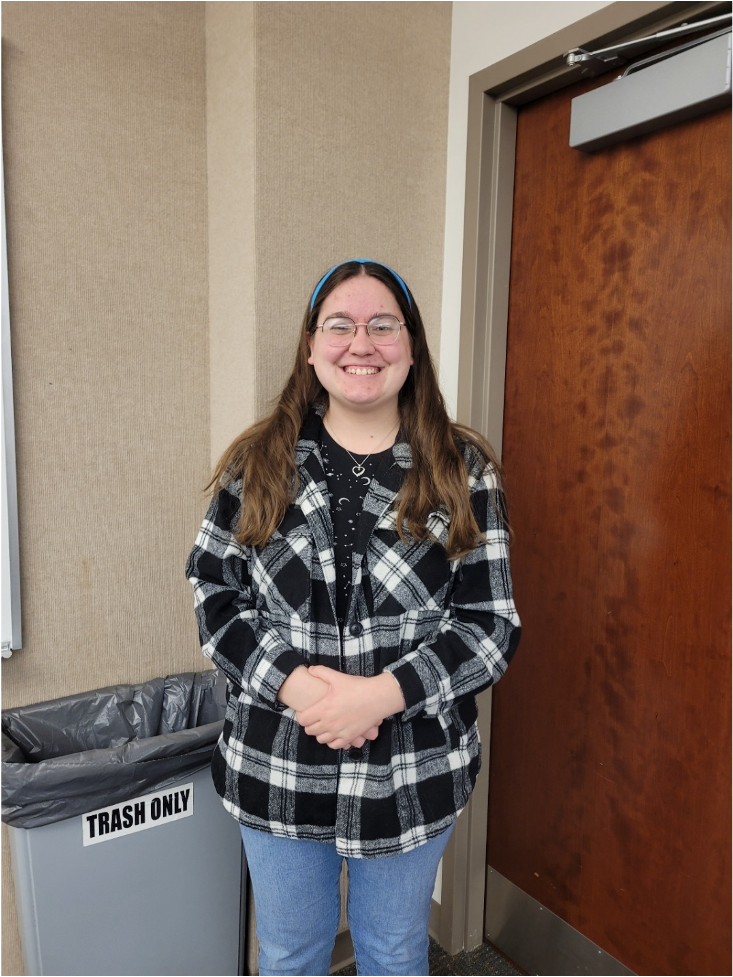
Adam Allen, a UIS History major currently enrolled in Dr. Barnwell’s Middle East conflict course, attended to build on class material.
“We’ve covered some of this in class already, so I wanted to dive deeper,” Allen said. “This helped expand my understanding.”
Historical and Political Context
Dr. Barnwell discussed the long-standing U.S. relationship with Israel, explaining that strategic alliances and foreign-policy interests have contributed to substantial U.S. financial and diplomatic support. She noted that this support plays a role in current regional dynamics and global reactions to the conflict. She also referenced recent United Nations reports describing conditions in Gaza as genocidal, emphasizing how international judgments shape public debate.
The lecture included historical maps of the region, illustrating shifting borders, settlement expansion, and Palestinian territory loss over time. Barnwell also addressed recent ceasefire efforts and alleged violations by both sides.
Academic Relevance and Campus Engagement
Dr. Barnwell teaches several courses touching on this topic, including Introduction to the Middle East and Conflict in the Middle East.
“We spend several weeks studying this question,” she said. “We cover introductory information on the Palestine-Israel conflict through history.”
The event was jointly organized by the UIS History Club and the UIS Social Work Club. Brown explained the collaboration:
“History Club regularly hosts faculty lectures. When Social Work Club suggested partnering, it was a natural fit — this topic intersects with history, international studies, and humanitarian perspectives.”
Encouraging Civic Awareness
Dr. Barnwell closed by urging students to stay informed and civically engaged.
“Just because it’s far away doesn’t mean it doesn’t impact us locally,” she said. “I hope students dig deeper than headlines and engage with our government systems to advocate for change.”