One of the first and on-going steps of attending college is strategizing how to pay for it. To help students and families be more informed on what options are available the University of Illinois System Student Money Management Centerpresented “Demystifying the Financial Aid Process” on January 28, that month’s installment of the Get Savvy: Grow Your Green Stuff Webinar Series.
How much will I have to pay?
“One common area of confusion is the estimated cost of attendance (COA). The COA is different from the student account or billing statement,” Said UIS Director of Financial Aid, Laci Engelbrecht.
The webinar aimed to inform students that the COA is an estimate that includes direct and indirect costs. Direct costs include tuition, mandatory fees, on-campus housing, and food. Indirect costs include books and supplies, transportation, miscellaneous expenses, and loan fees. The financial aid process can look different for each student, understanding what resources are available is one place students and families can start.
Family contribution, gift aid, and self-help aid
The webinar informs students that one resource that can be explored is asking family how they can help. Some questions that were provided were: “Do we have a college savings plan? “Could I live at home if I stayed local?” and “Are you willing to cosign on loans or take out a parent education loan?”

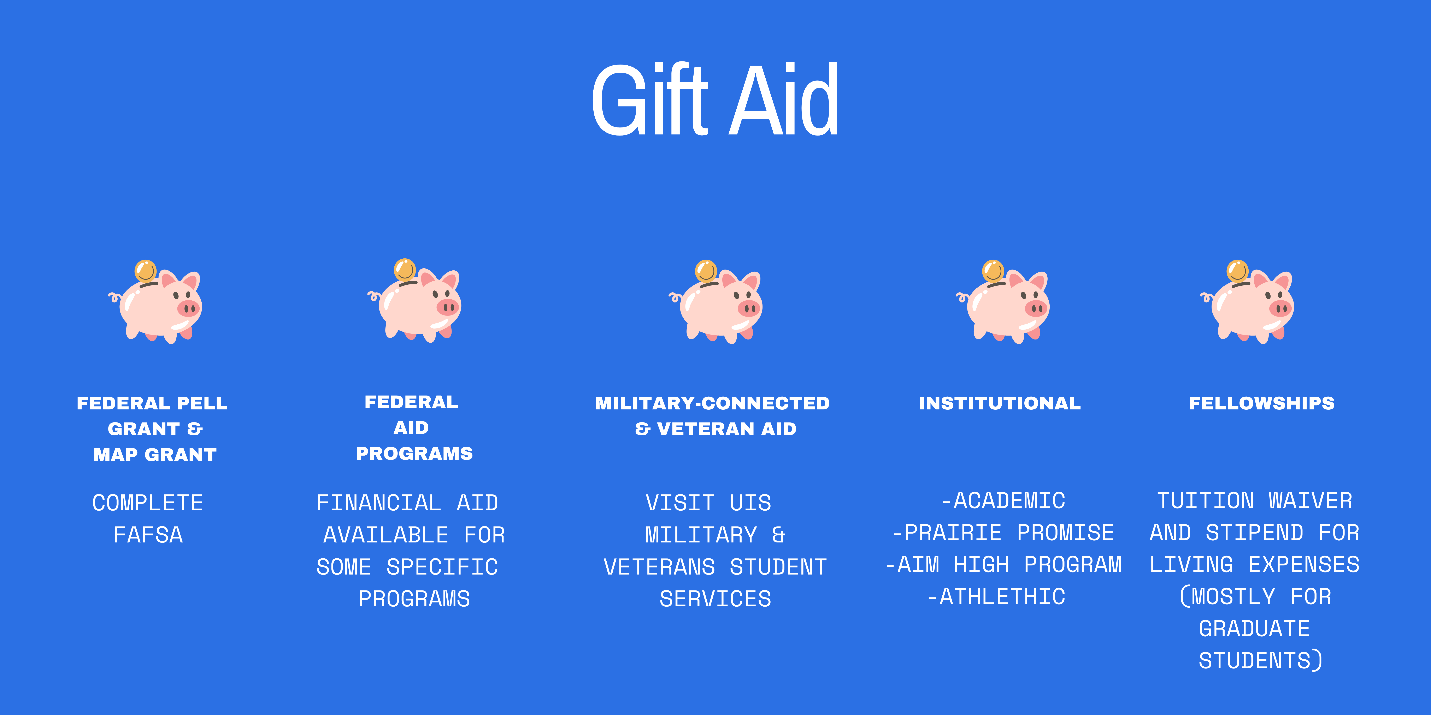
Another funding resource the webinar presented was gift aid, such as grants and scholarship waivers.
Students can find out if they are eligible for the Federal Pell Grant by completing the Free Application for Federal Student Aid (FAFSA). Eligibility for the Federal Pell grant is based on financial need. Though if students meet eligibility, the grant can be applied for up to 12 semesters.
Another grant available to Illinois residents is the Monetary Award Program (MAP) grant, which also requires filling out a FAFSA. The MAP grant is first come, first serve, which is why Engelbrecht said when it comes to requesting assistance or asking questions regarding financial aid, time is essential.
“The earlier the better.” Engelbrecht said, “I recommend getting ahead of things early and making sure financial aid is accepted and all missing documents or forms are completed.”
Other gift aid students may be eligible for include military and veteran aid, institutional aid, or fellowships.
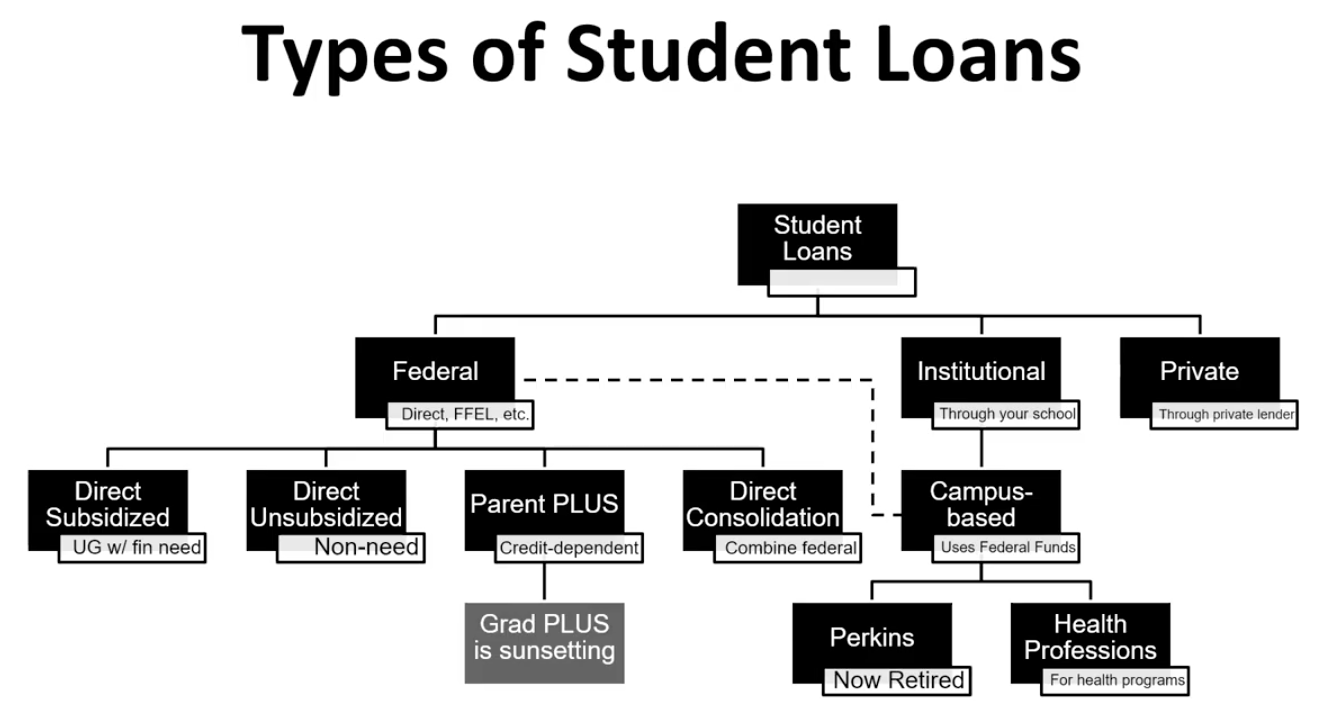
In addition to gift aid, the webinar covered self-help aid, which can include student loans. The three main types of education loans that were introduced include federal, institutional, and private.
“We do get a lot of questions about student loan repayment which can be very confusing, especially right now. That’s why we have several approaches to student loan education. We always have a webinar in spring around managing student loans,” Said Associate Director of the University of Illinois System Student Money Management Center, Andrea Pellegrini.
This year the “Student Loan Management” webinar will take place on April 1, 2026. Information on how to attend this event are available on the Student Money Management Center’s UIS Connections page.
Asking questions and learning more
At UIS, students can request to meet with a financial aid advisor in person, virtually or on the phone to ask questions or request assistance. In the upcoming months the Get Savvy: Grow Your Green Stuff Webinar Series has the following topics scheduled: Investing 101 and 102, Insurance, Student Loan Management, and Buying vs Renting a Home. Recordings of Get Savvy webinars are available on YouTube.