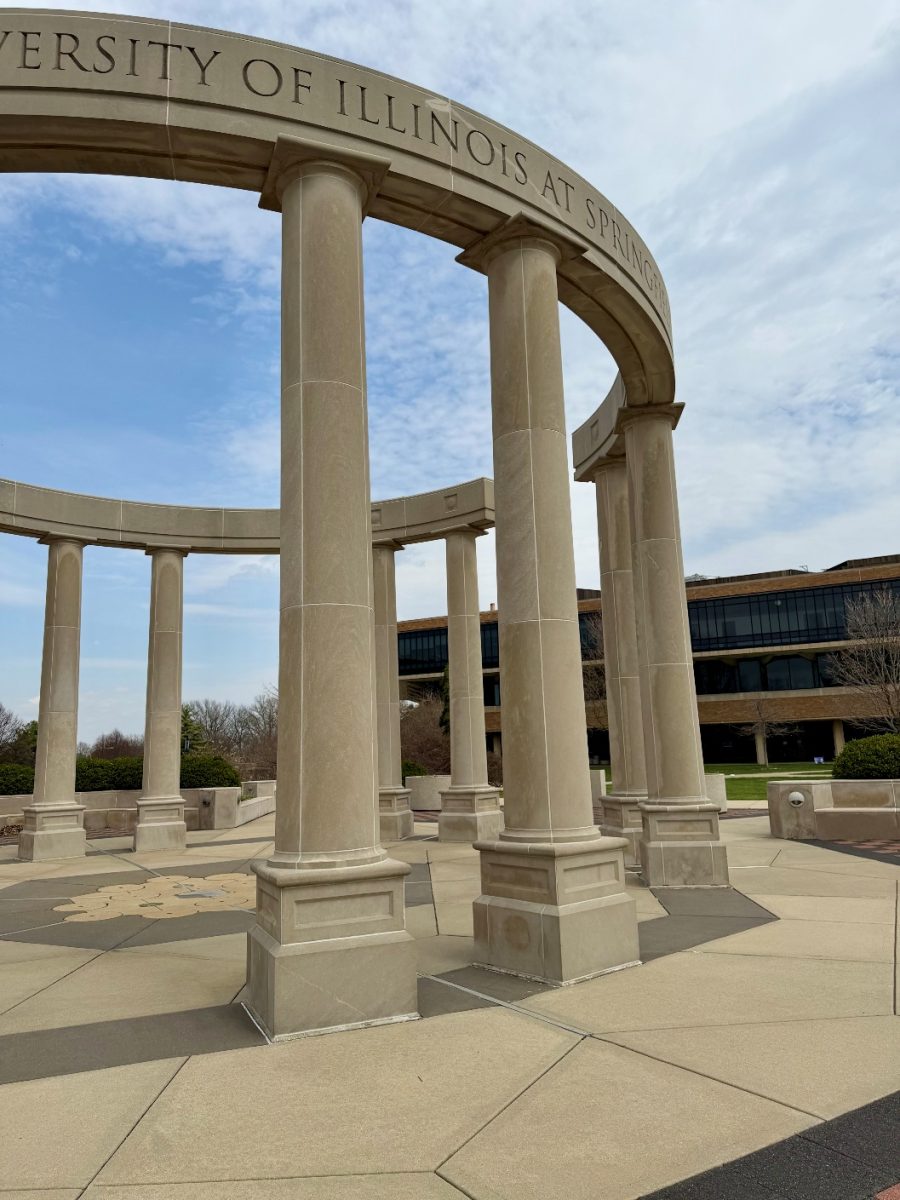
As rising temperatures and more frequent heatwaves reshape cities across the United States, researchers at the University of Illinois Springfield are working to understand how heat, water, and urban design interact to affect community health.
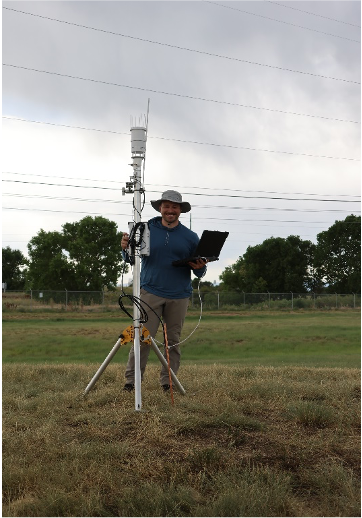
Assistant Professor of Ecohydrology Dr. Kyle Blount leads this work through the University of Illinois WATER Lab, where they study how land cover, vegetation, and infrastructure influence the temperatures people experience in their neighborhoods. Their research highlights how climate change and historical patterns of development have combined to create uneven exposure to extreme heat, often with significant consequences for public health and environmental equity.
“Publicly funded research should serve the public good. Understanding heat, water, and community health helps us build more resilient and more equitable cities.” Blount said.
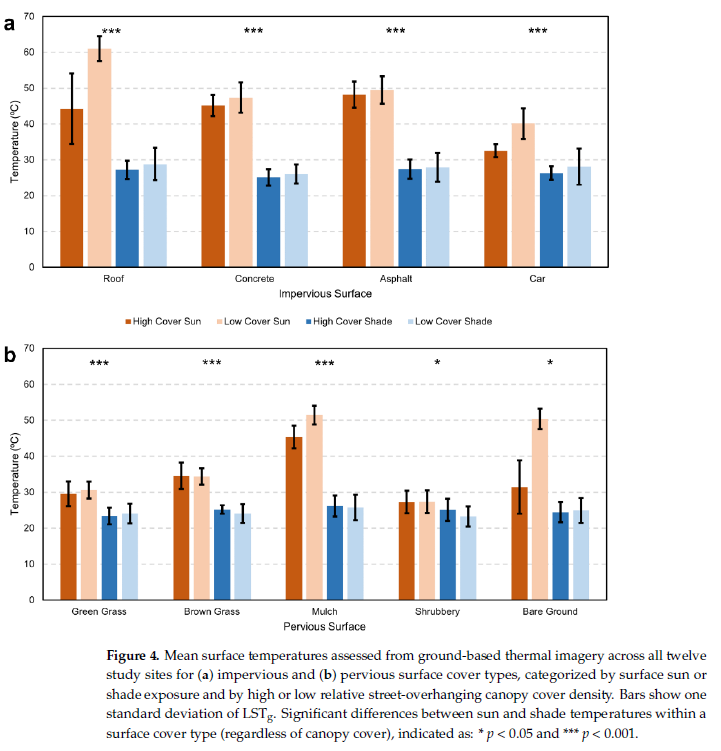
Blount emphasized that water and heat are closely intertwined in cities: water cools the air through evaporation, plants provide shade while releasing moisture, and hard surfaces like concrete and asphalt absorb and radiate heat throughout the day. Even small household decisions such as planting a tree, replacing pavement with soil or mulch, or selecting drought-tolerant landscaping can significantly influence neighborhood temperatures.
Their interest in the relationship between heat and water began during their doctoral research, where they used satellite imagery to study irrigation in Denver’s green spaces. Blount found that while denser development reduces the need for irrigation, it also removes shade and expands the amount of sun-exposed pavement, contributing to hotter temperatures.
Blount’s recent work also connects local heat patterns to broader historical trends. Across the United States, neighborhoods shaped by discriminatory housing practices, such as redlining, often lack shade, parks and access to cooling resources.

“Decades of underinvestment still shape environmental vulnerability today, and climate change intensifies those inequities.” Blount said.
These patterns are visible in disparities in tree cover, green space and infrastructure, contributing to higher rates of heat-related illness in low-income and predominantly nonwhite communities.
Springfield reflects many of these same nationwide trends. Blount said that the city shows clear differences in tree canopy, green space, and cooling infrastructure among neighborhoods, a pattern linked to historical development decisions.
Several strategies could help Springfield address these challenges, including targeted tree‑planting programs, shade structures at bus stops, expanded cooling centers, reflective or green roofing and improved stormwater management to support healthy vegetation. Even modest changes, such as reducing unneeded pavement or increasing shade, can improve comfort and reduce heat exposure for residents.
Blount encourages UIS students to become involved in addressing urban heat challenges. Students can learn about the risks of extreme heat, discuss climate impacts with friends and family, advocate for equitable environmental policies and take part in WATER Lab research projects.