Most people do not think about where their digital lives are physically stored. We stream shows, upload homework, save files in the cloud, and use online tools every day without considering the large buildings filled with servers that make all this possible. These buildings are data centers. They are growing rapidly, and they have become essential to the world economy. Most importantly, they are creating a wave of jobs that today’s students should notice.
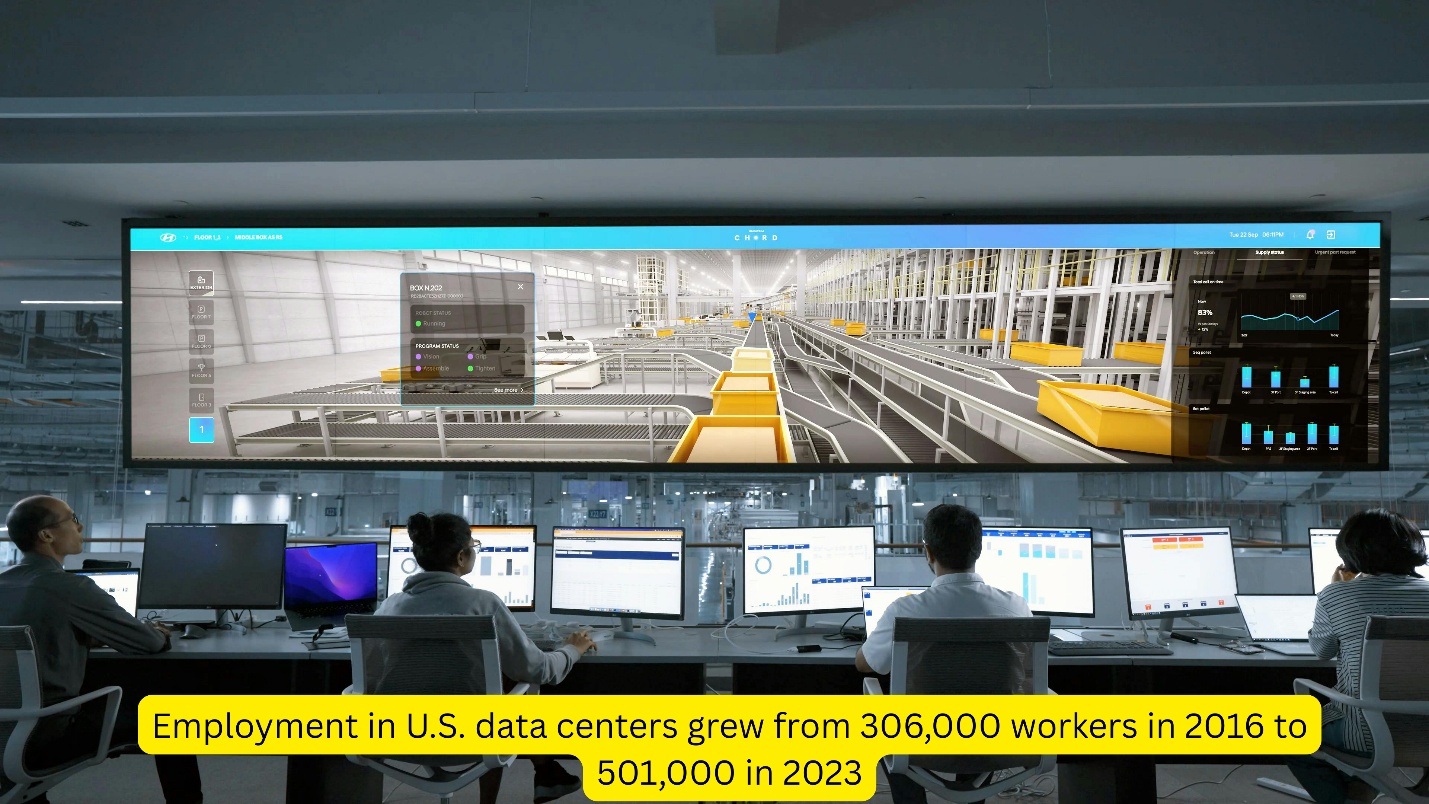
Data centers were once a small corner of the tech world, but the industry has expanded quickly. According to the U.S. Census Bureau, employment in U.S. data centers grew from 306,000 workers in 2016 to 501,000 in 2023.
An analysis by the Data Center Coalition found that data centers supported about 4.7 million total jobs across the United States in 2023 when including indirect and induced employment.
The construction recruiting firm Brimingham Group estimates that data center employment will reach 650,000 jobs by 2026, which would represent nearly a 30 percent increase over 2023 levels. The bottom line is simple. The field is growing, and it needs workers.
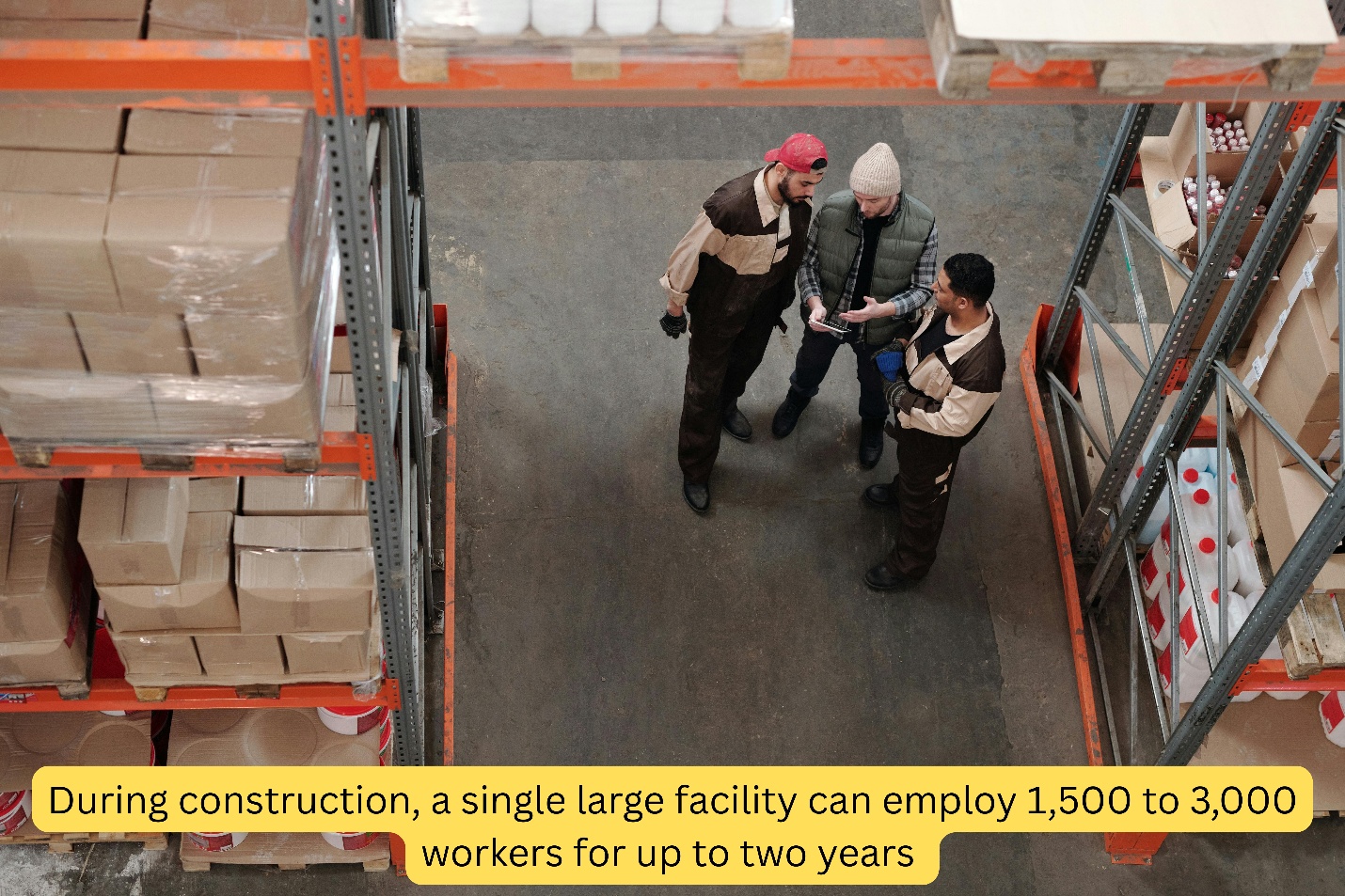
This matters for students because the industry is not just hiring software engineers or computer scientists. A modern data center needs people who understand electrical systems, HVAC and cooling, networking, construction, security, and general facility operations. According to Skillit, a construction hiring firm, building one large data center can employ 1,500 to 3,000 workers for up to two years.

These roles include electricians, welders, cable installers, construction managers, and other skilled trades. Once the building is finished, the center still needs a long-term workforce for operations, maintenance, and technology support.
A major challenge for the industry right now is finding enough trained workers. Surveys show that many data center professionals are considering leaving their positions even though salaries are rising. At the same time, companies report difficulty finding enough qualified workers to support both new and existing facilities. This combination has created a widening skills gap.
For students, this gap represents opportunity. If you are willing to learn the basics of electrical power, cooling systems, networking, or equipment operations, you could enter a field with immediate demand for new talent.
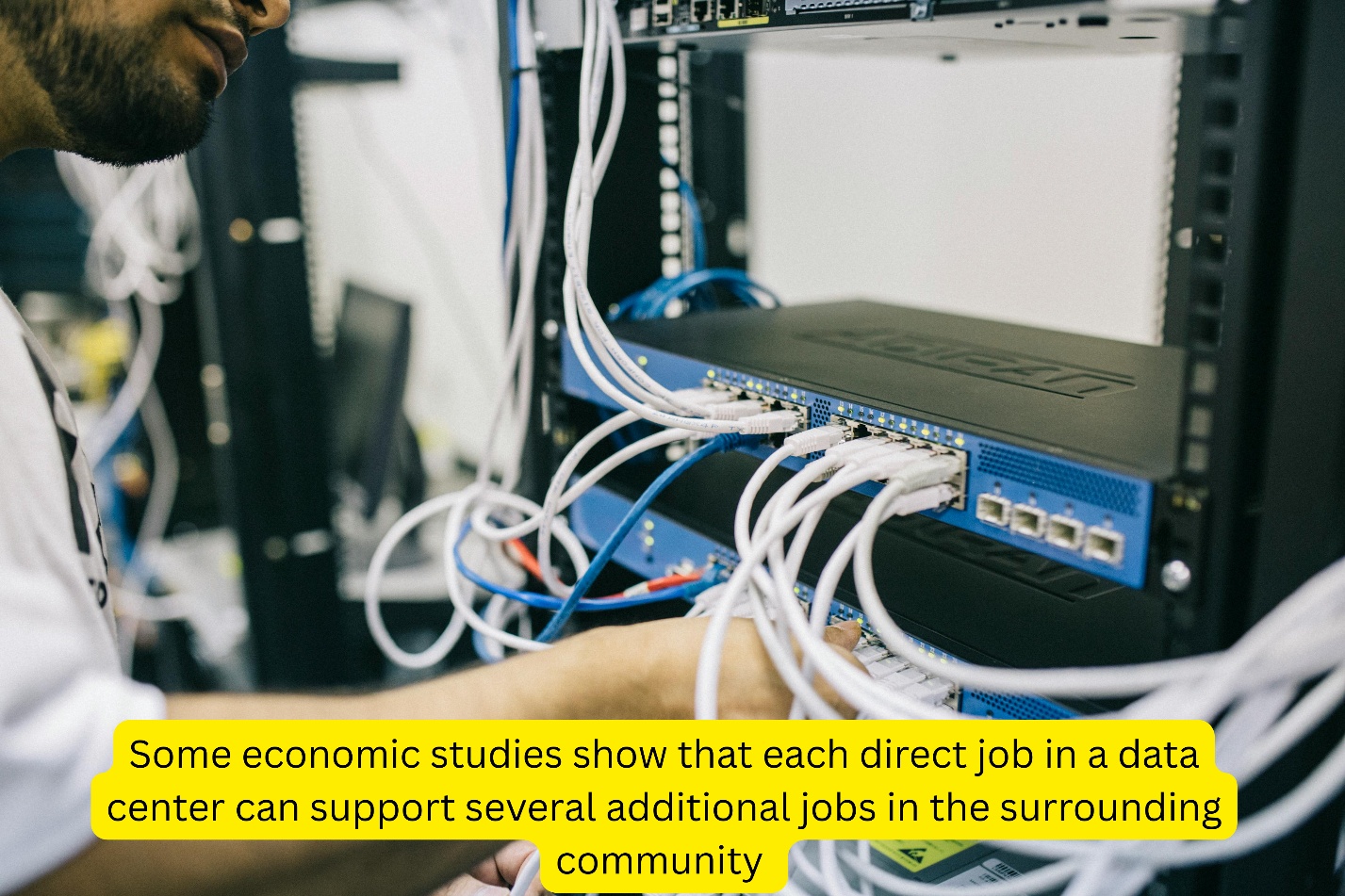
Students should also consider the indirect job growth that follows data center development. When a facility opens in a region, demand increases for housing, restaurants, contractors, equipment suppliers, cleaning services, and other support businesses. Some economic studies show that each direct job in a data center can support several additional jobs in the surrounding community. Even if you never work inside a data center, you could still benefit from the economic lift it brings to the region.
Another important point is understanding where new data centers are being built. Companies tend to place facilities in areas with reliable energy, access to clean power options, and affordable land. For students choosing where to live after graduation, paying attention to regions with growing data center clusters may offer more career paths, higher wages, and long-term growth.
So, what can students do now? Begin by becoming familiar with the systems that keep data centers running. Courses in electrical engineering, information technology, mechanical engineering, or networking will help. Skilled trades such as HVAC, power systems, fiber installation, or construction management are equally valuable. You do not need to be a computer science major to work in this field. You do not need to be a programmer. Data centers rely on people who can think, troubleshoot, and work with complex physical and digital systems.
The rise of data centers may not always make headlines. The buildings are often quiet, unmarked, and out of public view. Yet inside those walls are the machines that power the digital world. For students, understanding this industry is not just about knowing how the internet works. It is about recognizing a fast-growing sector that is hiring now and will continue to expand for years.
In short, the cloud is not abstract. It is made of real buildings, real equipment, and real career paths. Students who pay attention now will be better positioned for the jobs of tomorrow.